
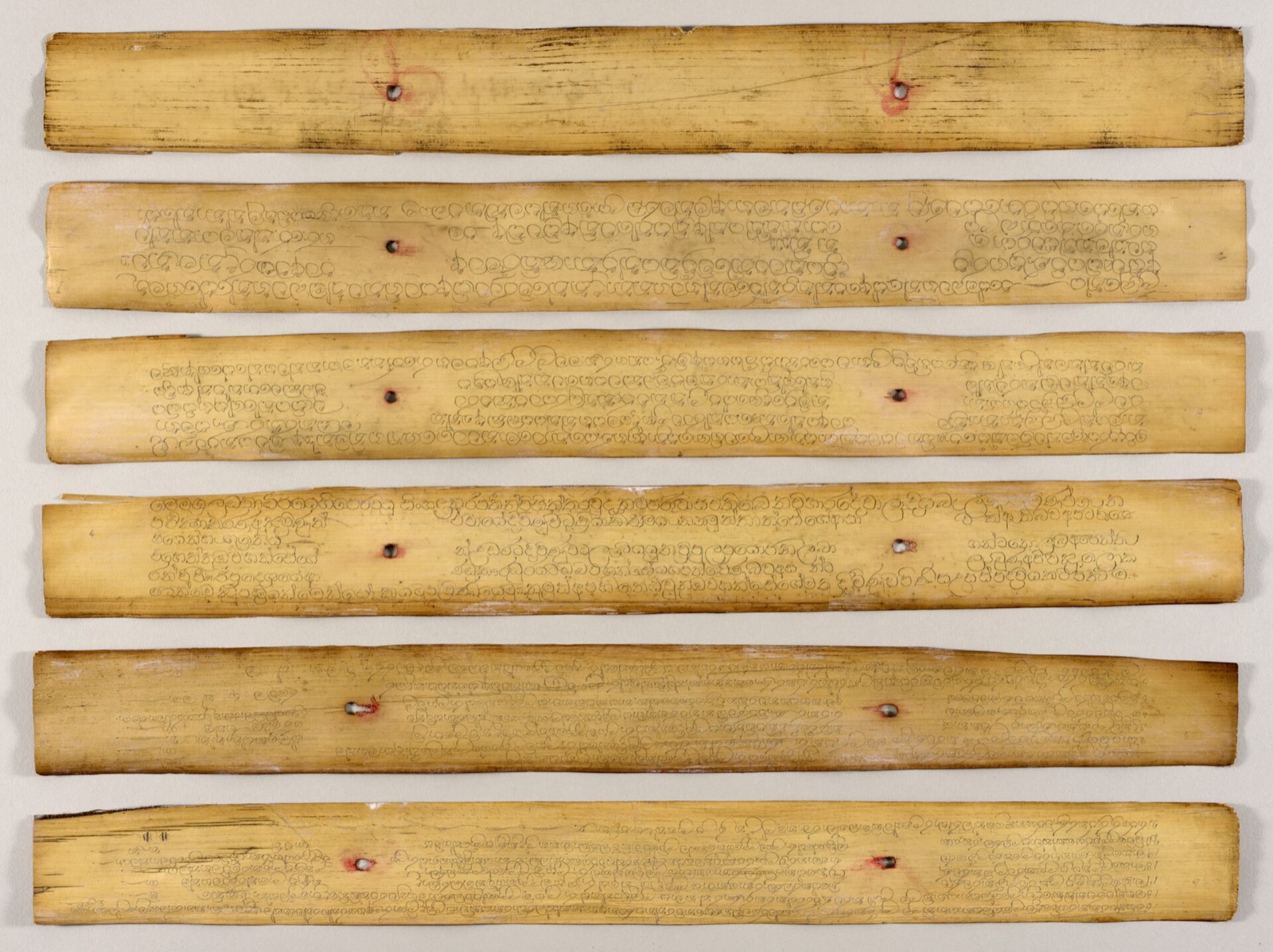
A useful Buddhist text dataset should let a reader find the page behind a quotation. For a first OCR pilot, we propose a record for one page rather than a collection of unidentified files. Our eight starting fields are work, edition, page identifier, script, source link, access status, permission for the proposed use, and correction status. These are proposed fields, not a universal cataloguing standard.
Keep the original image, the machine transcription and the corrected transcription distinguishable. Record who changed a reading and when, without publishing a volunteer's private contact details. Unknown permission stays unknown: a visible scan is not evidence that every later use has been authorised. BDRC maintains access restrictions and does not waive copyright owned by others. [1]
The downloadable example contains invented identifiers and no manuscript text. It is a planning aid, not a licensed dataset or a completed collaboration with a library. Before selecting five to ten real pages, we would confirm the source, permitted uses and cultural restrictions, then agree a small quality checklist with the contributor. Training a model would require its own appropriate permissions. The immediate goal is a traceable correction that another reader can inspect.