1. A library with more than one voice
A useful catalogue cannot treat all Buddhist literature as interchangeable expressions of a single position. Collections, languages, genres and commentarial traditions differ. A primary text, a modern introduction and an oral teaching may discuss the same term while serving different purposes. Their relationship should be visible before an algorithm combines their search results.
Our proposed design therefore separates a text’s language, genre, attributed authorship, edition and traditional setting. These descriptions should allow uncertainty and disagreement. Connecting records is useful; silently deciding that one record is the definitive expression of Buddhism is not. A shared discovery system can preserve the distinct voices that make comparison worthwhile.
2. From a work to a verifiable passage
BDRC’s BUDA documentation distinguishes a conceptual work from a particular version. [3] This is a valuable starting point for tracking editions, translations and digital representations without confusing them.
For a future Matreya pilot, we propose a traceable chain from work to edition, digital object and page or segment. A citation should identify the translator and version, not merely name a famous scripture. If an edition changes, an earlier reference should remain intelligible. Original spellings can coexist with normalised search forms. Possible parallels should remain distinguishable from confirmed identifications, and uncertain dates should be labelled rather than guessed. Metadata is part of the research argument, not decoration attached after collection.
- 01Provenance→
- 02Rights & consent→
- 03Text version→
- 04Verification
An editorial diagram by Matreya: a methodological illustration, not an experimental result.
3. An image is an independent source
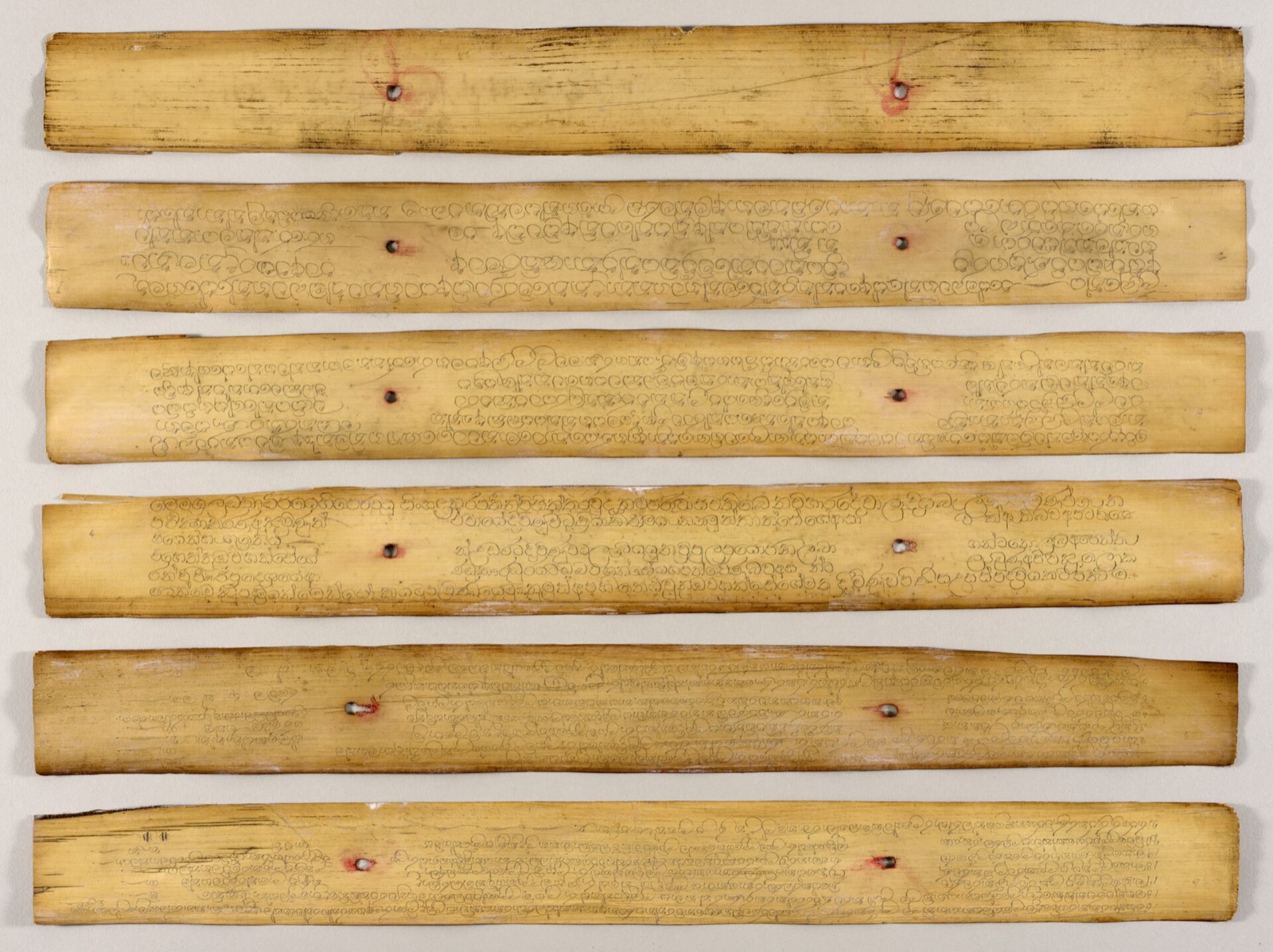
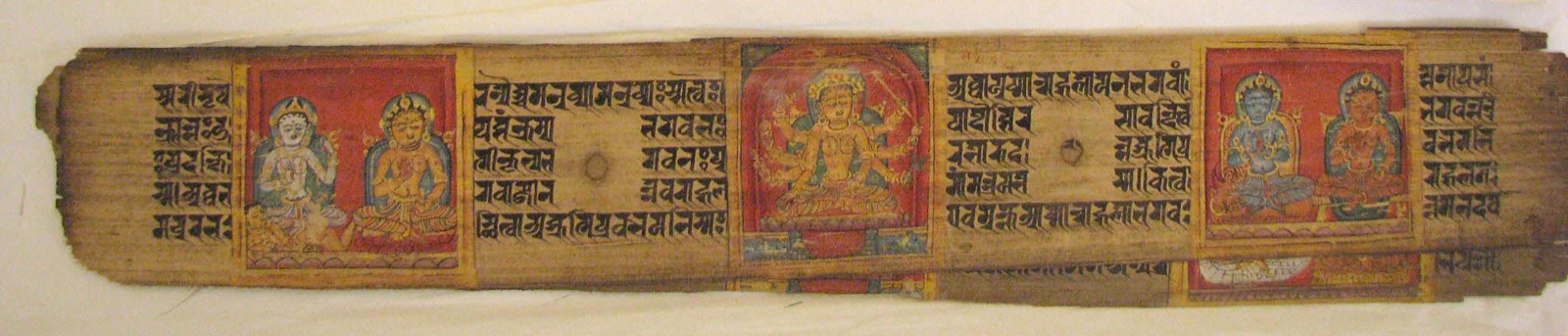
A manuscript image preserves layout, damage, corrections and other features that a text transcription cannot fully capture. BDRC’s digitisation guidance provides a practical reference for treating imaging and documentation as substantial preservation work. [5]
Our suggested workflow keeps the image, OCR output, corrected transcription and translation as separate layers. Each layer has its own review status and revision history. A volunteer’s correction should remain attributable and reversible. Testing should include damaged and difficult pages rather than only clean examples. Reporting a single accuracy score is insufficient: readers need examples of omissions, invented characters and errors that change meaning. A missed negation can matter more than many correctly recognised common words.
4. Translation makes decisions visible
A fluent translation is not automatically the most precise one. Terminology depends on genre, audience and interpretive choices. A corpus should help readers inspect those choices without pretending that every term has one universal equivalent.
84000’s guiding principles include accuracy, readability and support for translators. [4] For our own proposed practice, the lesson is to keep introductions, notes and editorial context connected to the translated text. Terminology mappings should have authors and limits of application. An equivalence suitable in one commentary may be misleading in another. Where machine translation is permitted, it can assist drafting; a published research translation requires qualified review or a conspicuous statement that such review has not occurred.
5. Access is not unrestricted permission
Ancient works, modern translations, scans, annotations and software interfaces can have different reuse conditions. BDRC distinguishes open and restricted materials and cannot grant rights held by third parties. [2] A readable webpage is not, by itself, a permission record for every later use.
SuttaCentral separates categories of material in its licensing policy and expressly asks that its content not be collected for generative-AI datasets. [1] That position deserves attention alongside licensing analysis. The 84000 terms page consulted for this article is labelled as a draft; its differentiated provisions should not be presented as universal authorisation for model training. [6] Our proposal is to document permitted storage, publication, transformation and transfer before ingestion. Specific rights questions require their own assessment rather than inference from an “open” label.
6. Preservation and publication can differ
BDRC describes cultural restrictions on access as well as copyright restrictions. [3] Such conditions concern relationships and responsibilities within living traditions. They should not be treated merely as obstacles for an engineer to remove.
An archive can preserve a description without publishing the underlying material. A public catalogue record, a restricted preservation copy and an openly readable text are distinct choices. Communities need a practical route to request correction or reconsideration. Oral recordings require particular care: permission for a seminar does not automatically authorise permanent voice publication or model training. Consent should address proposed uses in understandable terms. Openness is valuable when it expands participants’ capacity to act, rather than removing control after a single initial decision.
7. A manageable first collection
A credible pilot could begin with a small, agreed set of texts whose provenance and permissions are understood. It might compare authorised translations and evaluate whether a search tool returns the correct passage. This is a possible design, not a claim that those permissions or a corpus already exist.
Success would mean that an independent reader can reconstruct the work. Each document needs a stable identifier, version description, rights record and review status. Each correction needs a reason and attribution. Material with unclear rights should be postponed; unreviewed language should be labelled; difficult pages should not quietly disappear from evaluation. These stopping rules make the project maintainable after its first public demonstration.
8. A library as an ongoing collaboration
Digital heritage changes as readings improve, errors emerge and access conditions develop. The system therefore needs correction procedures and version histories, not only a download button. Contributors should be able to see how their expertise is recognised and how their work benefits the communities concerned.
For Matreya, the open questions are concrete: which texts do communities prioritise, which languages are underserved, what do students and specialists need, and who can maintain the catalogue over time? Technology follows these decisions. The first contribution to a dialogue between Buddhism and science may be simply to make a source easier to find without breaking its context. AI evaluation can follow when the relevant uses have been clearly agreed.
Key points
- Track works, versions and passages separately, retaining the context needed to check a citation.
- Readable content, reuse rights and agreement to AI processing are different matters.
- Start with a small documented pilot that participants can review, correct and maintain.
Sources & further reading
Links point to original publications, texts or official institutional pages. Access and reuse conditions may differ.
- LicensingSuttaCentral
Material categories and the specific request concerning generative-AI datasets; check each object individually.
- Access PoliciesBuddhist Digital Resource Center
Open and restricted materials and third-party rights.
- Frequently Asked QuestionsBuddhist Digital Resource Center
Work/Version distinction, e-text origins and cultural access restrictions.
- Guiding Principles84000: Translating the Words of the Buddha
Translation principles; reference does not imply a partnership with Matreya.
- Digitization GuidelinesBDRC / BUDA
Project documentation for digitisation.
- Terms of Use (DRAFT)84000: Translating the Words of the Buddha
The consulted page is labelled as draft terms, not universal authorisation for reuse.
An editorial article prepared by Matreya with AI assistance. It has not undergone external scientific peer review. Sources are provided for independent checking.
Editorial policy · Report an error or suggest an addition